Music and sound
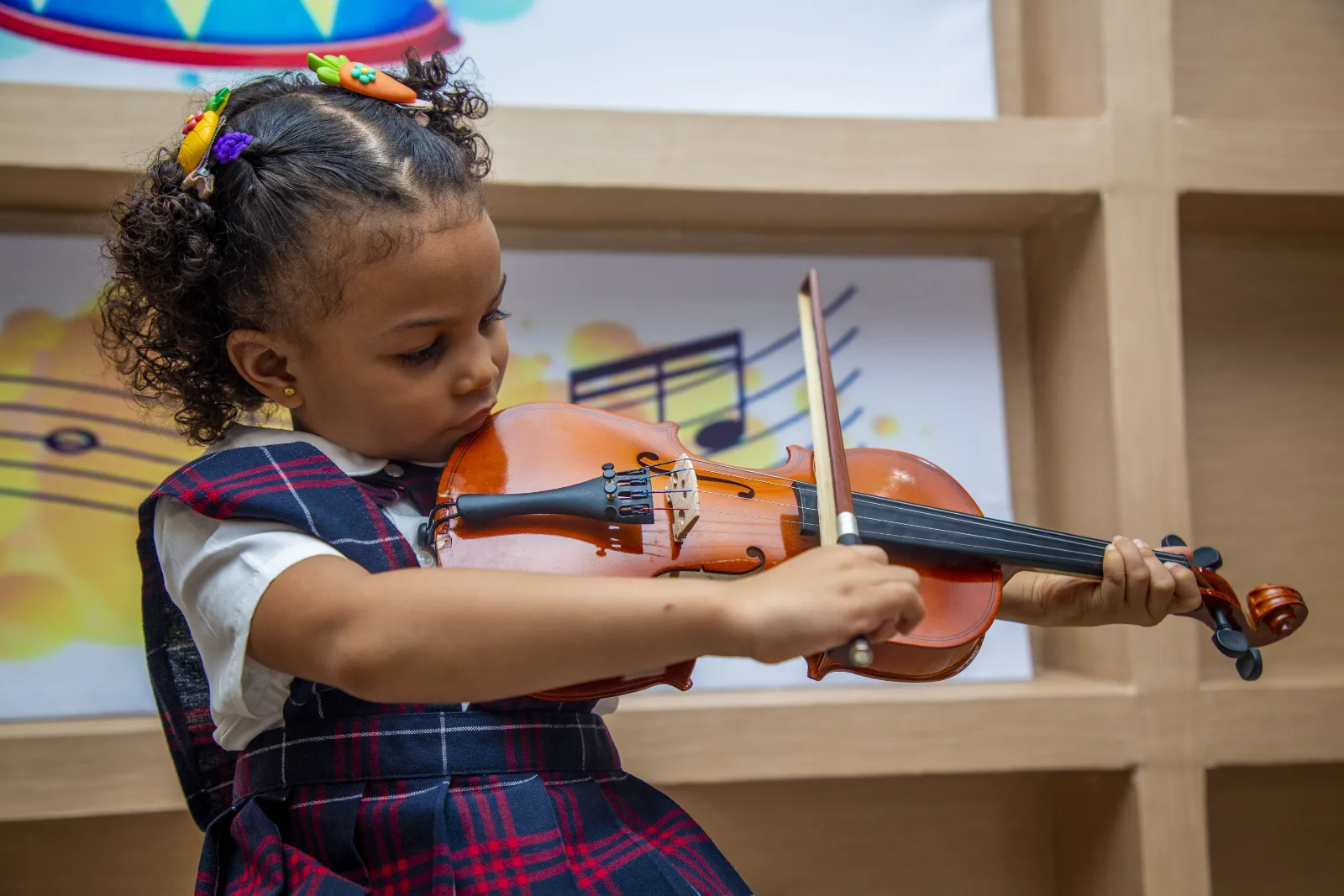
Students may explore rhythm, listening, performance and the ways sound can be used to communicate mood and meaning.
Creative experiences give students opportunities to use voice, movement, sound and imagination. As students practise and create together, they learn to communicate ideas, respond to feedback and appreciate the contributions of others.
These areas describe the kinds of creative experience the academy may offer. They are illustrative and configurable — availability is confirmed by campus, school stage and academic year, and not all four areas are currently offered.
Students may explore rhythm, listening, performance and the ways sound can be used to communicate mood and meaning.
Drama experiences can help students interpret stories, consider different perspectives and communicate with greater confidence.
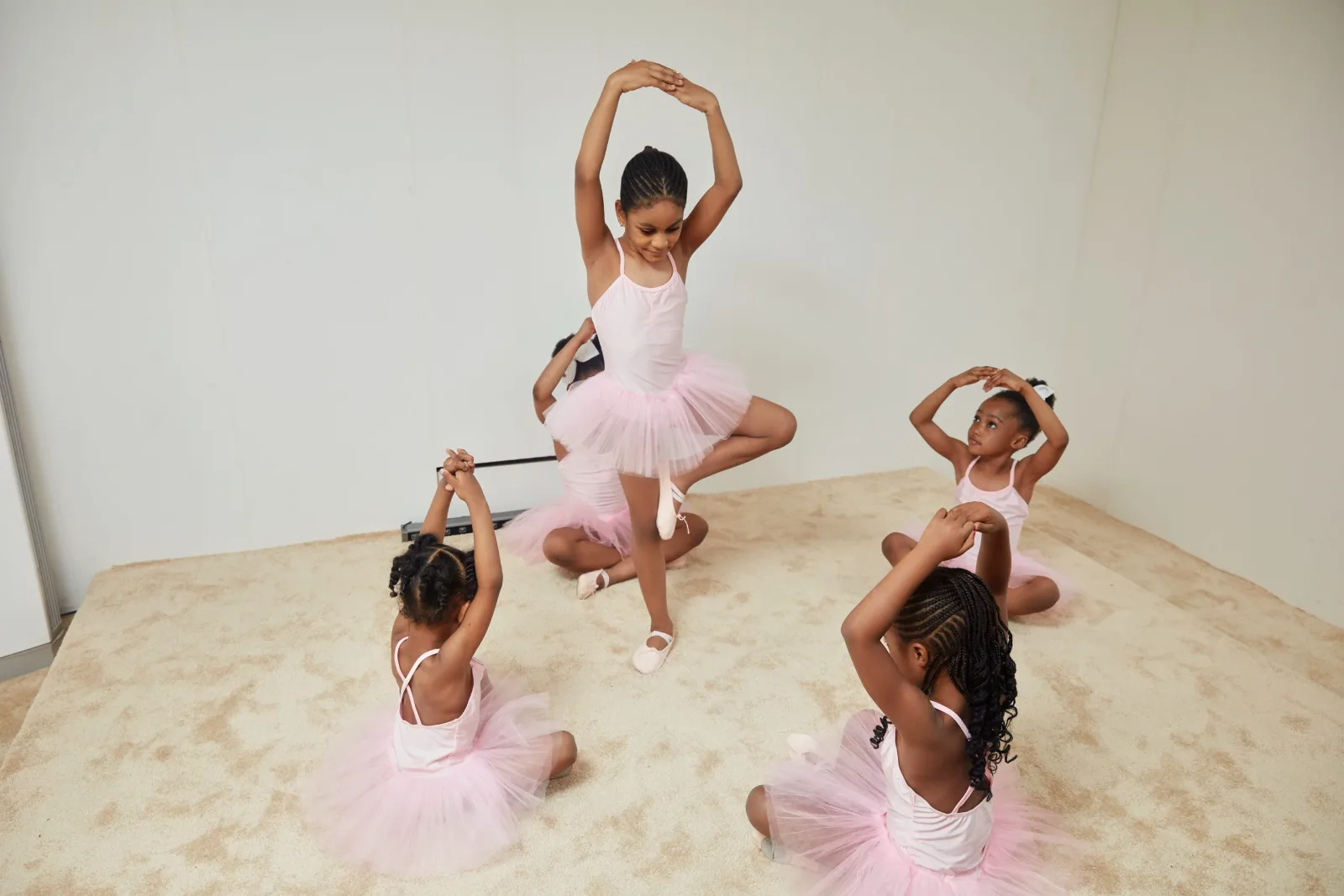
Movement-based experiences may support coordination, expression, collaboration and awareness of space.
Age-appropriate opportunities may introduce students to preparation, teamwork and the practical work involved in sharing a performance.
No named productions, choirs, bands, orchestras, dance groups or drama clubs are claimed. Final areas are approved by Student Life leadership.
Creative work grows through a shared process. Each stage matters as much as the last — and the learning happens all the way through.
Students encounter ideas, stories, sounds and forms of expression.
They practise skills, make creative choices and respond to guidance.
They learn to listen, contribute and work towards a shared outcome.
They may present their work in an age-appropriate setting when a suitable opportunity is available.
Sharing depends on a suitable, age-appropriate opportunity being available. Public performances are not promised.
Younger students may begin through play, rhythm, movement and storytelling. As they grow, they can take on more structured creative challenges, greater responsibility and increasingly independent forms of expression.
Specific activities are not assigned to specific grades until confirmed by the academy.
When performances, showcases or community presentations are scheduled, verified details should appear through the public calendar. Availability may vary by campus, school stage and academic year.
View Performing Arts EventsRoutes to the public calendar with a future-compatible Performing Arts filter. No event dates are invented.
Families can support students by recognising the effort, preparation and teamwork behind creative work. Future Parent Portal tools may provide relevant schedules, participation information, consent requests and event updates.