
Understanding progress, not only performance
Assessment provides evidence of what a student understands, can apply and is ready to learn next. Different forms of evidence help create a fuller picture than any single score or task.
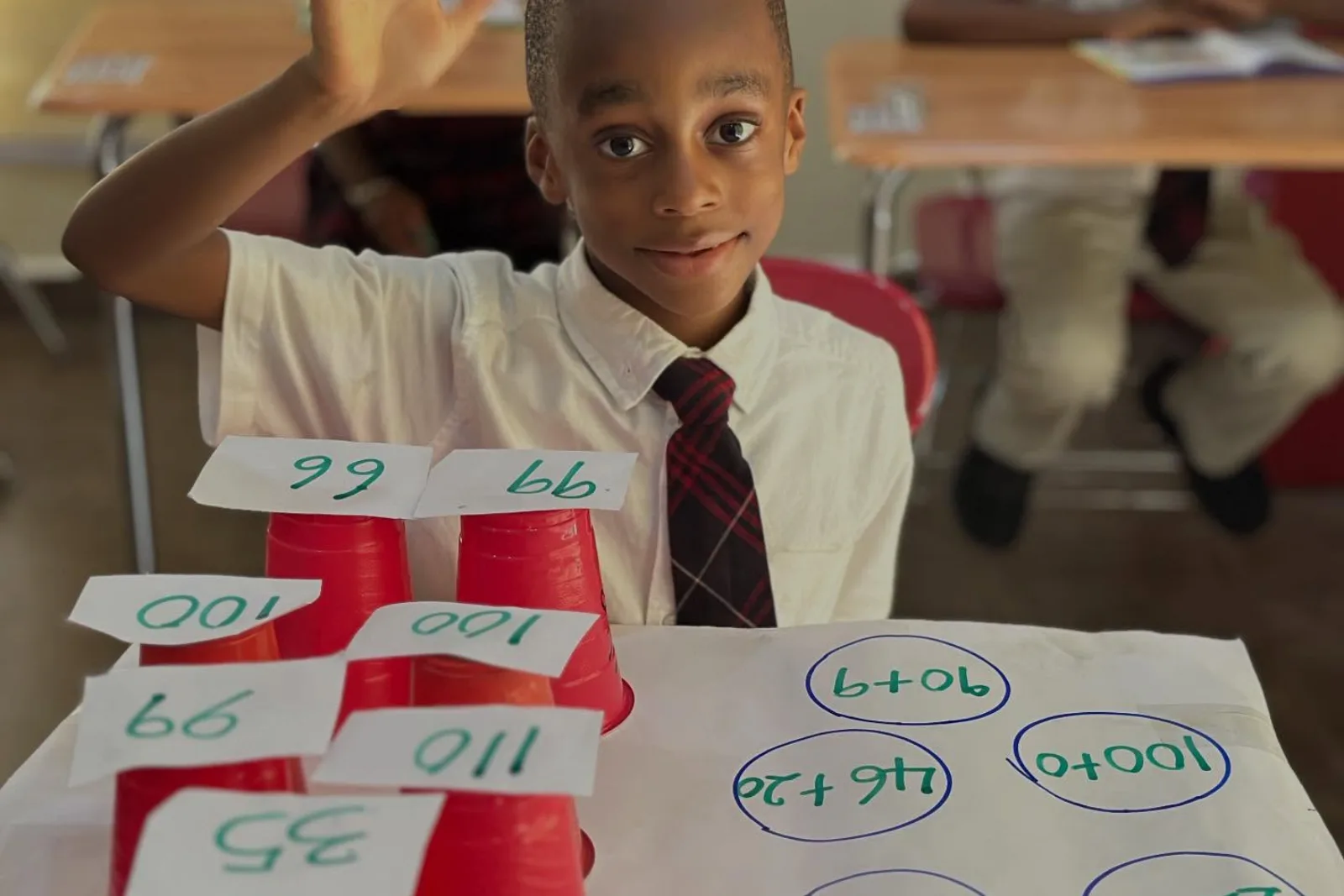
A fuller picture than any single score
Classroom observation
Teachers notice how students participate, explain ideas, apply strategies and respond to feedback.
Classwork
Everyday learning tasks show how understanding develops over time.
Projects and practical work
Extended and applied tasks can reveal how students connect ideas, solve problems and communicate outcomes.
Quizzes and tests
Structured checks may help teachers and students understand current knowledge and identify areas for further learning.
Student reflection
Students develop greater ownership when they consider their progress, challenges and next steps.
Teacher feedback
Clear feedback helps students understand what is working and what they can do to improve.
No exact assessment types or frequencies are claimed for any grade — the confirmed assessment calendar is configured per grade, campus and academic year by Academic Leadership.
Assessment during and after learning
Some assessment happens during learning so that teaching and support can be adjusted. Other assessment summarises what a student has understood after a period of study. Both can contribute to a balanced view of progress.
During learning — formative
Ongoing checks that shape tomorrow’s teaching — so explanation, practice and support can be adjusted while learning is still under way.
After learning — summative
Summaries of what a student has understood after a period of study, contributing to a balanced overall view of progress.
Making progress visible
Families should receive clear, age-appropriate information about learning, progress and areas for continued development. Exact report formats, reporting periods and conference schedules remain subject to school confirmation.
Report-card format, reporting frequency and parent-teacher conference schedules are open decisions — no schedule is published here.
Helping students understand their own learning
As students grow, they can become more involved in setting goals, responding to feedback and reflecting on the strategies that help them learn effectively.
Using evidence to respond
Assessment information can help teachers decide when a student needs additional explanation, further practice, greater challenge or a different approach.