
Learning begins with belonging
Children learn best when they feel known, safe and encouraged. Kindergarten supports each child’s transition into school through caring relationships, predictable routines and opportunities to explore learning at an age-appropriate pace.
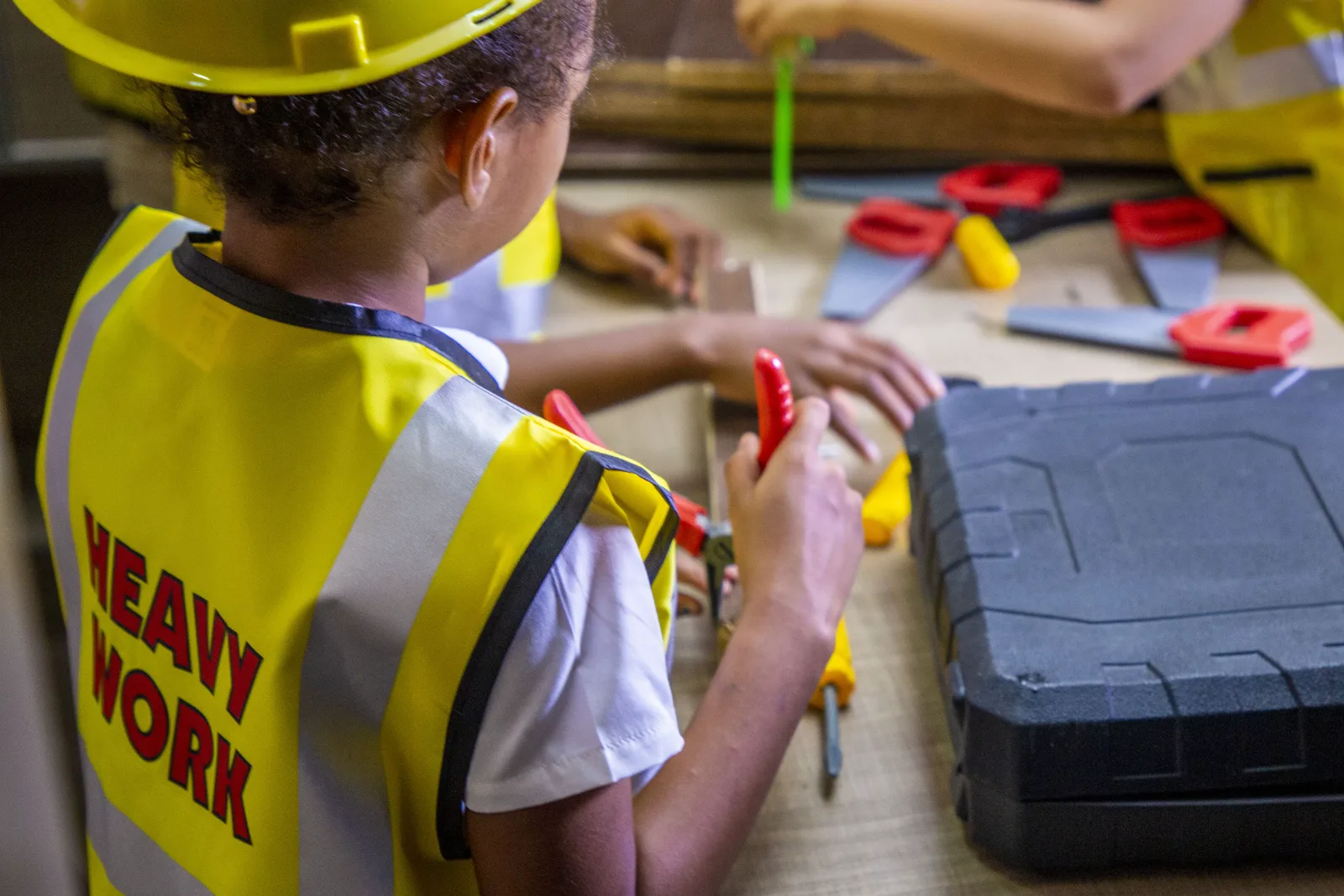
Purposeful play, guided discovery and growing confidence
Learning experiences combine teacher guidance with opportunities for children to investigate, create, communicate and collaborate. Through stories, movement, conversation, number experiences, art and hands-on activities, children begin making sense of themselves and the world around them.
Provisional areas — general descriptions, pending school confirmationEarly language and literacy
Listening, speaking, stories and first steps into reading and writing.
Early mathematical thinking
Number, shape, pattern and measurement explored through familiar experiences.
Communication and collaboration
Sharing ideas, taking turns and learning alongside others.
Creativity and expression
Art, music, movement and imaginative play as ways of making meaning.
Physical development
Active play and purposeful movement that build coordination and confidence.
Personal and social growth
Belonging, routines and relationships that help children feel known and secure.
Building a love for words and stories
Children develop language by listening, speaking, sharing ideas and engaging with stories. Early literacy experiences help them recognise sounds, build vocabulary, understand meaning and begin expressing their own ideas.
Discovering patterns, numbers and relationships
Mathematical understanding begins through practical experiences. Children explore number, shape, measurement, sequence and pattern through familiar objects, games, movement and guided problem-solving.
A balanced rhythm for young learners
A typical day may include welcome routines, small-group learning, stories, creative work, outdoor activity, movement, play and reflection. The exact daily schedule should remain configurable by campus and academic year.
- Welcome routines
- Small-group learning
- Stories
- Creative work
- Outdoor activity
- Movement
- Play
- Reflection
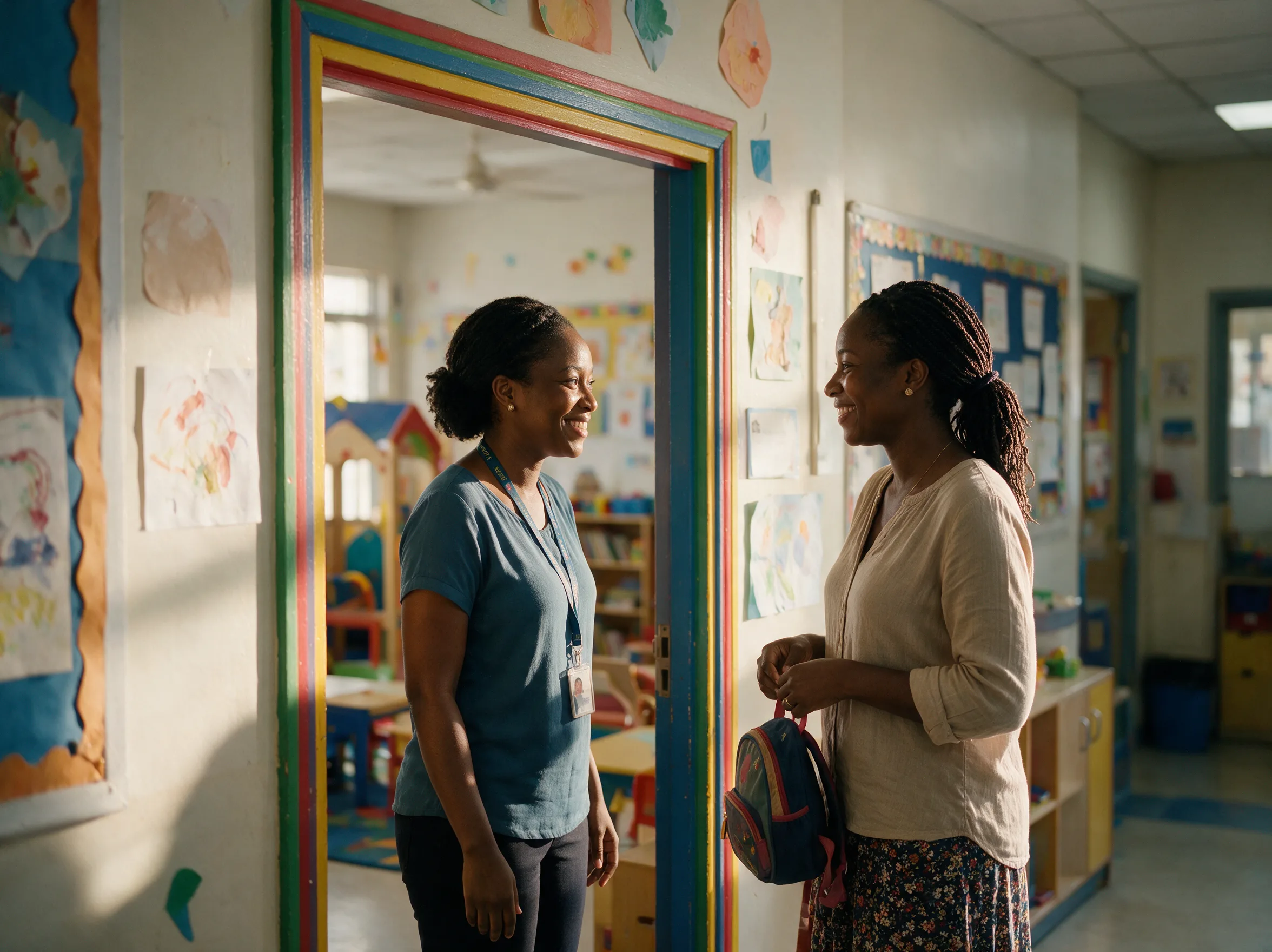
Families are part of the learning journey
Regular communication helps families understand how their child is settling, growing and progressing. The future Parent Portal will support age-appropriate updates, school communication and access to relevant learning information.
Ready for the next step
As children grow in confidence, independence and foundational understanding, they are supported in preparing for the expectations and opportunities of Elementary School.